Improving Collaboration Starts with Influence, Not Structure
When collaboration breaks down in organizations, the immediate response is often structural. New processes are introduced, reporting lines are adjusted, and roles are redefined. While these changes can help, they rarely solve the underlying issue. Collaboration is not driven by structure alone. It is shaped by how people interact, communicate and influence each other on a daily basis. Without strong influence capabilities, even well-designed structures fail to deliver alignment and results.
Why organizations focus on structure
Structure is visible, tangible and relatively easy to change. Leaders can redesign teams, clarify responsibilities and introduce new governance models. These interventions create the impression that collaboration issues are being addressed. However, structure operates as a framework — not as a driver of behaviour. It defines how work is organized, but not how people actually engage with one another. As a result, structural changes often produce limited or short-lived improvements.
The real drivers of collaboration
Collaboration happens through interactions. Every conversation, meeting and decision point requires individuals to align perspectives, manage expectations and influence outcomes. These dynamics are not governed by structure, but by behaviour. When individuals lack the ability to influence effectively, collaboration becomes fragmented. Misalignment, misunderstanding and resistance emerge — regardless of how the organization is structured. This is why collaboration must be understood as a behavioural challenge, not just an organizational one.
When structure fails to solve the problem
Organizations often experience recurring collaboration issues even after structural changes. Silos persist, decisions are delayed and cross-functional work remains difficult. This is not necessarily due to poor design. It is often the result of insufficient focus on how people work together. Without the ability to:
align different perspectives engage stakeholders manage tension constructively
structure becomes irrelevant in practice. The same problems simply reappear in a different form.
The role of influence in effective collaboration
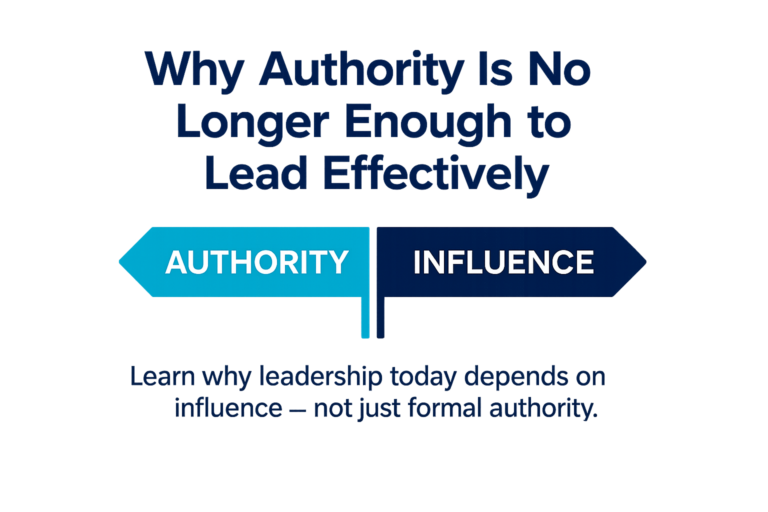
Influence is what allows collaboration to function in complex environments. It enables individuals to work across boundaries without relying on formal authority. Through influence, professionals can:
create alignment across teams navigate competing priorities build engagement and commitment move situations forward
Influence transforms interaction into coordination — and coordination into real collaboration.
From structural solutions to behavioural capability
Shifting the focus from structure to influence requires a different approach. Instead of asking: “how should we organize work?” organizations need to ask: “how do people interact and align in practice?” This shift moves attention from design to behaviour. It highlights the importance of developing skills that allow individuals to influence effectively in real situations. This is where collaboration becomes sustainable.
What effective collaboration looks like
In organizations where influence is strong, collaboration becomes more fluid and effective. Teams are able to:
align more quickly address conflict constructively adapt to changing priorities maintain momentum
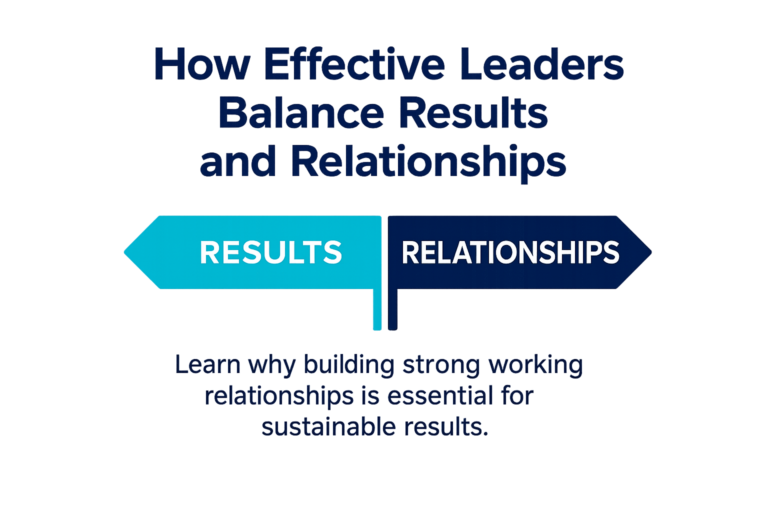
Relationships and results are not treated as competing factors, but as interconnected elements. This allows organizations to operate as cohesive systems rather than fragmented units.
To understand how influence enables effective collaboration across teams and functions, explore the Influence Model®.