The Difference Between Persuasion and Influence in Organizations
In many organizations, persuasion and influence are often used interchangeably. Professionals are expected to communicate effectively, align stakeholders and drive decisions — yet the distinction between persuading and influencing is rarely made explicit. This lack of clarity leads to behaviours that can limit effectiveness, especially in complex and cross-functional environments. Understanding the difference between persuasion and influence is critical for anyone who needs to work through others to achieve results.
What is persuasion?
Persuasion is the ability to convince others to adopt a specific point of view or decision. It typically relies on arguments, logic, data and structured reasoning. In many situations, persuasion is highly effective. It provides clarity, direction and a clear path forward. However, persuasion often assumes that agreement can be achieved through rational argument alone. In reality, decisions within organizations are influenced by multiple factors, including relationships, priorities and context.
What is influence?
Influence goes beyond persuasion. It is the ability to shape outcomes by understanding and working with different perspectives, stakeholders and dynamics. Rather than focusing only on convincing others, influence involves:
building alignment creating engagement adapting to different situations
Influence recognizes that decisions are rarely purely rational and that outcomes depend on how people interact, interpret and respond. It is a more flexible and dynamic capability.
Why relying only on persuasion is limiting
Many professionals rely heavily on persuasion as their primary approach. They present strong arguments, use data and push for decisions based on logic. While this can work in certain situations, it often creates resistance when:
stakeholders have different priorities relationships are not aligned trust has not been established
Pushing harder with arguments does not necessarily lead to better outcomes. In fact, it can reduce engagement and slow down decision-making.
The role of influence in complex organizations
In modern organizations, work happens across teams, functions and geographies. Formal authority is often limited, and professionals depend on others to get things done. In this context, influence becomes essential. It allows individuals to:
align stakeholders with different objectives navigate competing priorities build collaboration across boundaries
Influence enables results in situations where persuasion alone is not enough.
Balancing persuasion and influence
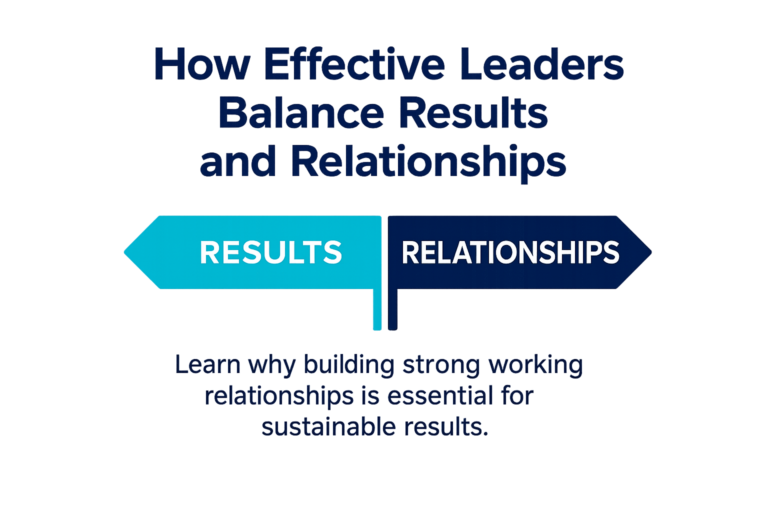
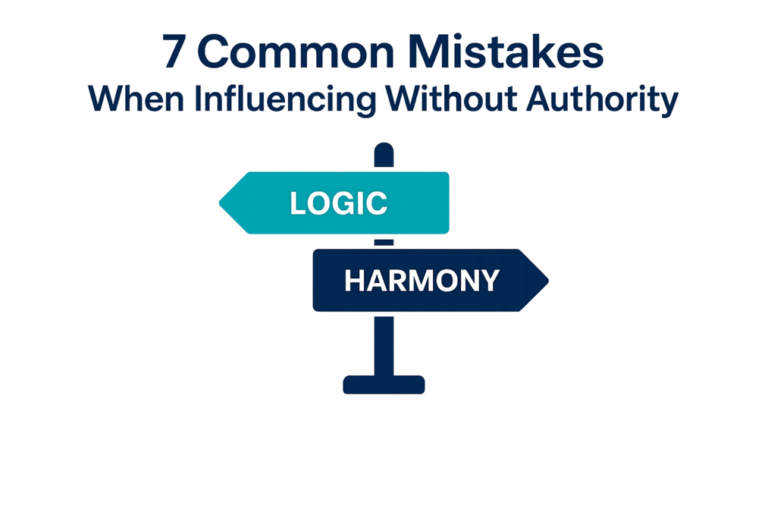
Effective professionals do not choose between persuasion and influence. They understand how to combine both. Persuasion provides structure, clarity and direction. Influence ensures engagement, alignment and adaptability. The key is knowing when to:
push forward with arguments and decisions create space for dialogue and alignment
This balance allows professionals to achieve results while maintaining strong working relationships.
Moving from persuasion to influence as a capability
Developing influence requires more than improving communication skills. It requires a shift in how professionals approach situations. Instead of focusing only on delivering a message, they must consider:
who they are working with what the context requires how their behaviour impacts others
This is what transforms influence into a repeatable and practical capability rather than an intuitive skill.