What Influence Really Means in the Workplace (And What It Doesn’t)
Influence is one of the most frequently used — and least clearly understood — concepts in the workplace. Most professionals recognize that they need to influence others to get things done, especially in complex and cross-functional environments. However, influence is often confused with persuasion, authority or even personal charisma. This lack of clarity leads to ineffective behaviours and missed opportunities. Understanding what influence really means — and what it does not — is essential to improving how individuals and organizations perform.
What influence really means in the workplace
Influence is the ability to shape outcomes through others without relying on formal authority. It is not about controlling decisions or forcing agreement. Instead, it is about working through relationships, understanding different perspectives and aligning people around a shared objective. In practice, influence happens in everyday situations: aligning stakeholders, leading discussions, managing expectations or navigating competing priorities. It is a dynamic process that requires both clarity and adaptability.
What influence is often confused with
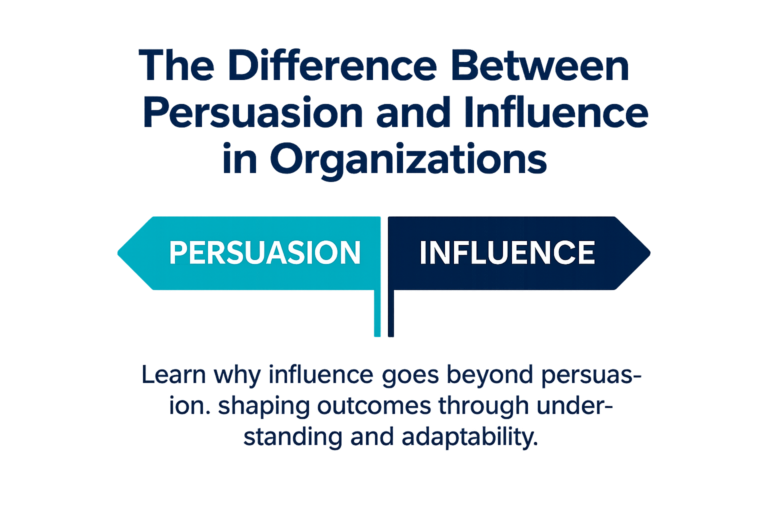
Many professionals associate influence with behaviours that can actually limit its effectiveness. One common misconception is that influence is about persuasion. While persuasion plays a role, relying only on arguments and logic often creates resistance rather than alignment. Another common belief is that authority leads to influence. Formal authority can create compliance, but it does not guarantee engagement or commitment. Influence also tends to be associated with personal charisma. However, effective influence is not dependent on personality — it is a capability that can be developed and applied intentionally.
Why misunderstanding influence creates problems
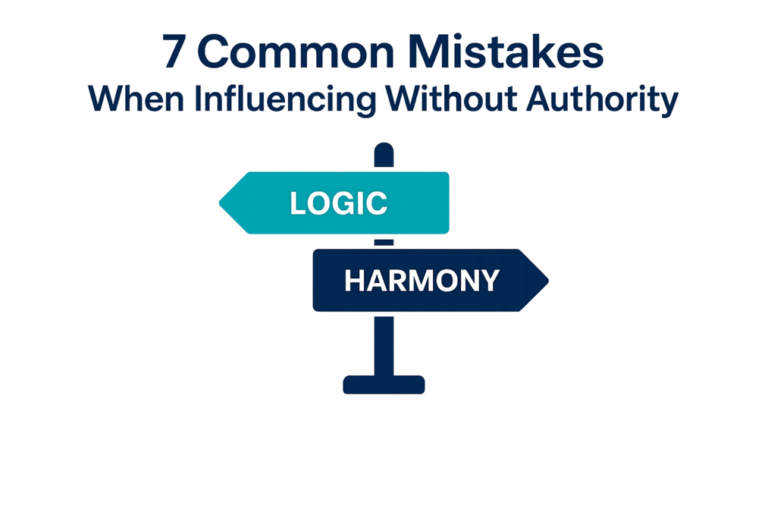
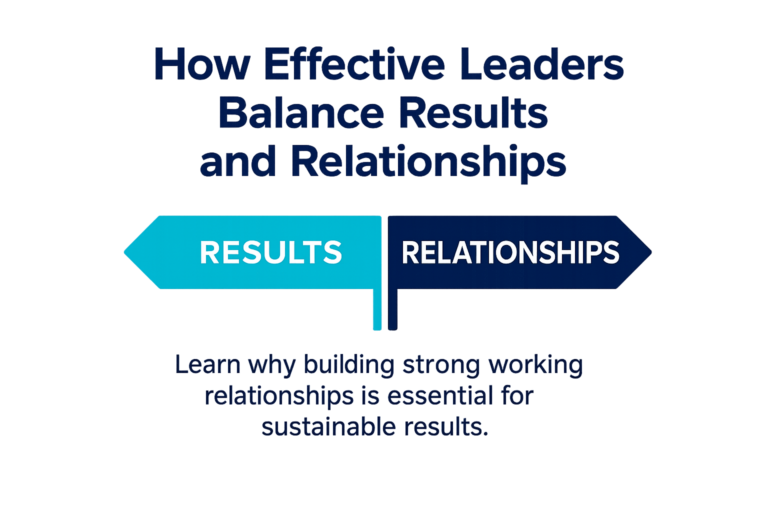
When influence is misunderstood, professionals tend to rely on a narrow range of behaviours. Some focus almost exclusively on pushing ideas forward, using logic, direction and assertiveness. Others prioritize maintaining relationships and avoid introducing tension or challenge. Both approaches can be effective in certain situations, but over-relying on one creates limitations. This often leads to misalignment, delays, frustration and reduced collaboration. Without a clear understanding of influence, professionals struggle to adapt to different situations and stakeholders.
The role of flexibility in effective influence
At its core, effective influence requires flexibility. Different situations call for different approaches. Some contexts require clarity, structure and direction. Others require listening, engagement and relationship building. The ability to move between these approaches is what makes influence effective. It is not about choosing one style over another, but about understanding when and how to apply each of them. This is what allows professionals to achieve results while maintaining strong working relationships.
Influence as a practical capability
Influence is not a soft or abstract concept. It is a practical capability that directly impacts how work gets done in organizations. When individuals understand how to influence effectively, they are better able to align stakeholders, manage complexity and drive execution. At organizational level, this translates into stronger collaboration, faster decision-making and better results. Developing this capability requires more than awareness. It requires a structured understanding of how influence works in practice and how behaviour shapes outcomes.
To understand how influence works in practice and how different approaches can be applied effectively, explore the Influence Model®.